Elevated Garden Bliss: Raised Bed Plans with Legs for Easy Access
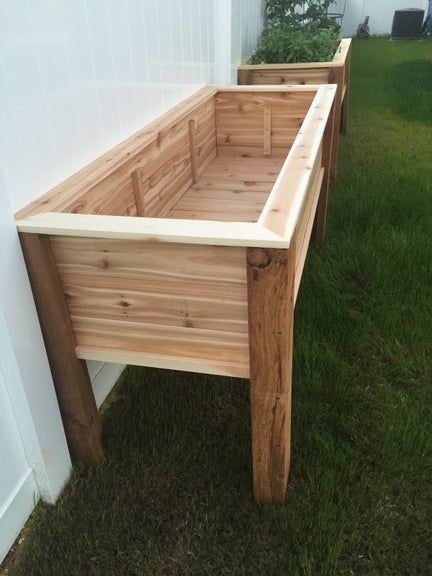
Elevate your gardening game with raised garden bed plans that incorporate legs, adding both style and functionality to your outdoor space. These elevated beds offer numerous benefits, from easier access to enhanced soil quality, making them an excellent choice for any gardening enthusiast.
Raised garden beds with legs not only make gardening more accessible but also help contain and protect your plants, preventing soil erosion and weed intrusion. They also allow for better drainage and aeration, ensuring optimal growing conditions for your vegetation. Let's delve into the world of raised garden beds with legs, exploring their advantages, materials, design plans, and more.
Benefits of Raised Garden Beds with Legs
Raised garden beds with legs offer a myriad of advantages that make them a gardener's dream. These include:


- Easier Access: Legs allow you to position your bed at a comfortable working height, reducing strain on your back and knees.
- Improved Soil Quality: Elevating your bed enables you to create a fresh, tailored soil mix, free from existing weeds and pests. Additionally, better drainage preventswaterlogging that can lead to root rot.
- Reduced Weed Intrusion: The barrier created by the bed's walls limits the spread of weeds from surrounding areas.
- Enhanced Aesthetics: With a variety of materials and designs available, raised beds with legs can add a touch of elegance to your garden.


Materials Options for Raised Beds with Legs
When selecting materials for your raised garden bed legs, consider factors like durability, weather resistance, and aesthetics. Popular choices include:
- Wood: pressure-treated or rot-resistant species like cedar or redwood. Ensure they're safe for planted vegetables by avoiding woods treated with chemicals.
- Composites: such as recycled plastic and wood blends, providing durability and low maintenance.
- Metal: galvanized steel or aluminum for robust, long-lasting beds. These may require additional protection against excessive heat or cold.
- Concrete or Stone: for a sturdy, permanent structure. These materials are typically used for the bed's base, with legs made of a lighter material.


Design Plans for Raised Beds with Legs
Raised garden beds with legs come in an array of sizes, shapes, and designs, accommodating various gardening needs and aesthetic preferences. Here are some popular designs:
- Rectangular Beds: Classic and versatile, these can be placed in a line, creating a clean, organized look.
- Square Beds: Space-efficient and easy to arrangement, perfect for small gardens or urban spaces.
- Rounded Beds: Softer lines can integrate seamlessly into naturally shaped gardens, adding a touch of whimsy.
- Tiered Beds: Elevated beds with stepped levels allow for easy access and optimal use of limited space.


Steps to Build a Raised Garden Bed with Legs
Constructing a raised garden bed with legs is a straightforward process. Here are the basic steps:
- Choose your design and gather materials.
- Measure and cut your leg materials to the desired height, ensuring all legs are of equal length for stability.
- Attach legs to your bed frame using appropriate hardware and techniques for your chosen material.
- Assemble the bed frame, securely joining sections together.
- Position your bed in its final location, ensuring it's level and stable.
- Fill your bed with a mix of high-quality topsoil, compost, and any amendments suitable for your plants.
Embrace the joy of elevated gardening with raised garden beds featuring legs. With numerous benefits, materials, and design plans to choose from, you're sure to find the perfect fit for your garden. So, grab your tools, and let's get building! Happy gardening!
Related Articles

Elevated Garden Beauty: DIY Raised Beds with Lattice
In the pursuit of lush and productive gardens, vertical space is often the forgotten frontier. This is where the humble raised bed with lattice steps in and...

Easy Raised Garden Bed Ideas
Transform your outdoor space into a thriving garden paradise with these easy and delightful raised garden bed ideas. Raised beds are a permaculture...

Elevated Outdoors: Perfect Your Space with an Outdoor Raised Seating Area
Creating an inviting and functional outdoor space is a top priority for many homeowners. One aspect that significantly contributes to this is the inclusion of...

Raised Bed Garden with Built-in Seating
Imagine transforming your outdoor space into a picturesque haven where you can grow fresh produce and relax in comfort. A raised bed garden with a sitting area...

Raised Vegetable Garden Bed Ideas: DIY Designs for Easy Harvesting
Embrace the joy of gardening and ramp up your veggie production with DIY raised vegetable garden bed ideas! Not only do they declutter your space, but they...

Outdoor Raised Garden Bed Ideas for Easy Growing
Discover the joy of fresh, homegrown produce with outdoor raised garden bed ideas. These high, enclosed structures offer countless benefits, from improved soil...