Outdoor Seat Width: The Ultimate Guide
When you're designing or selecting outdoor seating for your space, one of the key aspects to consider is the seat width. The ideal outdoor seat width plays a crucial role in ensuring comfort, proper postural support, and allowing for adequate interaction among users. But how wide should outdoor seats be, and what other factors influence this critical decision?
In the world of outdoor furniture, seat width isn't merely about personal preference; it's a matter of ergonomics, safety, and even aesthetics. Let's delve into the importance of outdoor seat width and provide you with a comprehensive guide to help you make the right choice for your space.
Understanding Outdoor Seat Width: Key Considerations
The perfect seat width is dependent on various factors, including the type of furniture, the specific body dimensions of users, and the intended use of the space.


To begin with, let's explore some of the most common outdoor seating options and the typical seat widths associated with each:
Benches
Benches are long, linear outdoor seats often used in parks, public spaces, and backyard settings. The seat width of benches typically ranges between 14 to 20 inches (35 to 51 cm). This width accommodates various body types while maintaining a simple, elegant design that doesn't take up too much space.


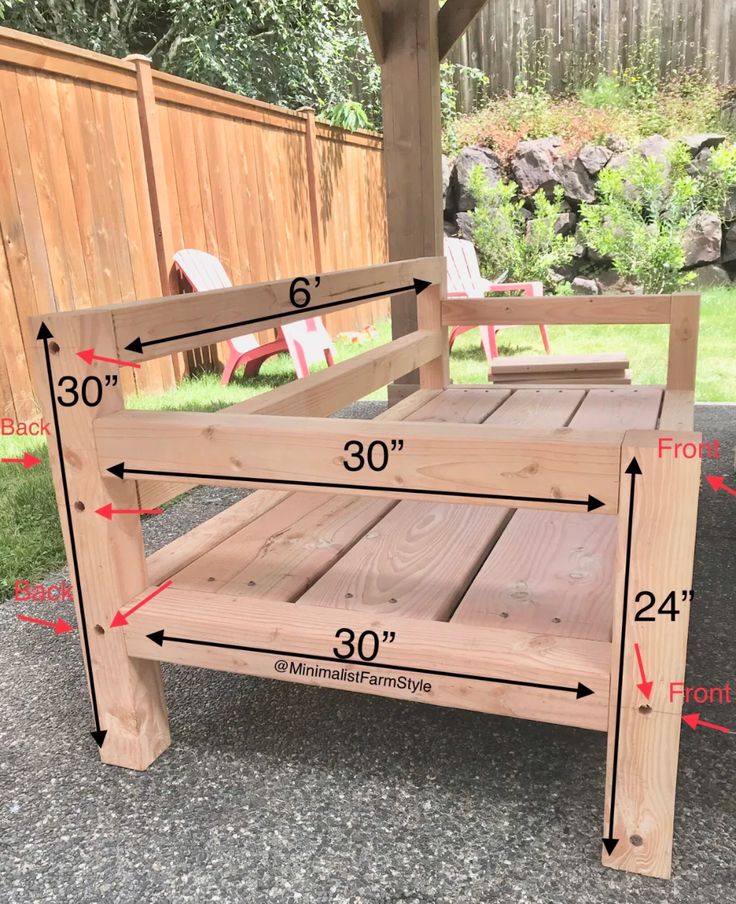
For outdoor bench designs that cater to larger users or encourage group seating, consider bench widths of 24 to 30 inches (61 to 76 cm). This width also works well for benches with attached backrests, providing ample support and comfort.
Chairs and Armchairs
Outdoor chairs and armchairs come in a wide variety of styles, with seat widths that can vary significantly. On average, however, outdoor chairs have seat widths ranging from 18 to 22 inches (46 to 56 cm).
For dining chairs, consider seat widths between 17 to 19 inches (43 to 48 cm), as they should accommodate users comfortably while allowing for space below the table for legs. Wicker, resin, and metal chairs often fall within this width range.


Meanwhile, armchairs for relaxation or lounging typically have seat widths between 20 to 24 inches (51 to 61 cm) to provide sufficient space and support for users in a reclined position.
The Impact of Seat Width on Comfort and Posture
When selecting outdoor seating, comfort should be your primary concern, as it significantly influences users' postural health and overall satisfaction with the space.
Choosing an appropriately wide seat ensures that users can maintain proper posture while sitting. A seat that's too narrow forces users to sit on the edge, which can lead to discomfort, back strain, and poor posture. Conversely, a seat that's too wide may cause users to slouch, potentially leading to back and neck pain over time.


Seat Depth and Height: Supporting Width Considerations
While seat width is crucial, it's essential not to overlook the impact of seat depth and height on comfort and support. The depth of an outdoor seat should be proportional to its width, typically ranging between 16 to 20 inches (41 to 51 cm). This depth allows users to sit upright comfortably without feeling cramped or causing undue pressure on their lower back.
Seat height is another critical factor in outdoor seating ergonomics. Ideally, the seat height should allow users to sit with their feet flat on the ground and their knees bent at a 90-degree angle. For most adults, this height falls within the range of 16 to 20 inches (41 to 51 cm).
Adequate Legroom and Space for Interaction
A comfortable outdoor seating arrangement should also provide sufficient legroom and space for social interaction. When positioning chairs and arranging seating areas, ensure that there's enough space between seats for users to extend their legs without feeling cramped or encroaching on others' personal space.
Moreover, consider the arrangement of your seating area to encourage conversation and engagement among users. For example, arranging seating in a horseshoe shape or around a central table promotes interaction and makes it easier for users to communicate with one another.
When selecting or designing outdoor seating, prioritizing the right seat width ensures that your space is both functional and inviting. By considering the unique needs of your users, the intended purpose of your outdoor space, and the impact of seat width on comfort and ergonomics, you can create a seating area that's both aesthetically pleasing and user-friendly.
So go ahead, explore the countless outdoor seating options available, and don't be afraid to test different seat widths to find the perfect fit for your space. After all, the best outdoor seating is the one that brings people together, promotes relaxation, and makes your unique outdoor sanctuary a true sanctuary indeed.
Related Articles

Outdoor Bench Seat Width: A Comprehensive Guide
When selecting an outdoor bench seat, width is a crucial factor that greatly impacts not only the aesthetics but also the functionality and comfort it...

Santa Maria's Ultimate Turner's Outdoor Guide
Nestled in the heart of Santa Maria, California, Turner's Outdoor offers a unique blend of rustic charm and modern convenience, making it an idyllic...

Heat & Glo Outdoor: Ultimate Guide & Reviews
Experience the perfect blend of old-school ambiance and modern efficiency with Heat & Glo Outdoor, your go-to destination for captivating outdoor living...

Boost Your Outdoor Gatherings: Ultimate Tiki Bar Decor Guide
Transform your outdoor space into a tropical oasis with the perfect outdoor tiki bar decorations. Creating an inviting and exotic atmosphere doesn't have to be...

Transform Your Deck: The Ultimate Guide to Turning Outdoor Space into Livable Square Footage
Transforming an ordinary deck into a functional, inviting addition can dramatically enhance your home's value and appeal. This guide will walk you through the...

Miller's Outdoor Living: Your Ultimate Guide to Quality Products
When it comes to transforming your outdoor space into a cozy, inviting retreat, Miller's Outdoor Living Products offers a wealth of solutions designed to...