Modern Contemporary Interior Design Trends & Examples
Embracing the fluidity and versatility of form, modern contemporary interior design is a dynamic interplay of clean lines, earthy colors, and uncluttered spaces. This design era, born out of the late 20th century, celebrates simplicity, functionality, and the organic beauty of natural materials. Let's delve into some inspiring examples and key elements that define this captivating aesthetic.
At its core, modern contemporary design strives to harmonize with its environment. It favors an open-plan layout, ample natural light, and a seamless blend of indoor and outdoor spaces. Sustainability also plays a pivotal role, with recycled materials, energy-efficient elements, and an overall respect for the planet woven into the design narrative.
The Minimalist Palette
Contemporary interiors Typically adopt a neutral color palette, with gray, white, and black serving as primary hues. Neutrals are not merely bland or straightforward but create a canvas upon which other elements can be showcased. This minimalist approach allows furniture, textures, and artwork to take center stage.


However, contemporary design isn't afraid of color. Bold accents can be introduced through textiles, decor, or a feature wall. The key is balance - a splash of color should complement rather than overpower the space, enhancing the overall aesthetic rather than disrupting it.
Wood and Natural Materials
Natural materials are integral to contemporary design, invoking a sense of warmth and authenticity. Wood, in particular, is a staple, employed in flooring, furniture, and millwork. From maple and walnut to reclaimed or weathered woods, the grain and texture of each type imbue spaces with character and charm.


Other natural materials, such as stone, leather, cotton, and linen, are similarly embraced. Their tactile, raw qualities echo the natural world and remind us of our connection to it.
Streamlined Furniture
Contemporary furniture is distinguished by its clean, unadorned lines and practical function. Think Kevin sociétés' "Wassily" chair or Charles and Ray Eames' "Eiffel Chair" - designs that prioritize ergonomics and minimalism.
In contemporary homes, furniture often serves multiple purposes, reflecting the multifaceted nature of modern life. Modular pieces, storage solutions disguised as decor, and multipurpose spaces are all hallmarks of this design style.


Hybrid Textures and Materials
Contemporary design doesn't shy away from mixing materials and textures. Contrast is key here - rough against smooth, cool metals with warm woods, sleek glass next to rustic brick. This play on opposites adds depth and complexity to spaces, making them engaging and dynamic.
Moreover, contemporary design nods to vintage and industrial aesthetics. Exposed brick, ductwork, and metal pipe accents are assimilated into seamless, modern interiors. This eclectic fusion of old and new gives a space a unique personality and unfussy charm.
Art and Decor
Art isn't just an adornment in contemporary design but an integral part of the narrative. Large-scale art pieces, installations, and even graffiti can be incorporated to create visual impact and define a space.


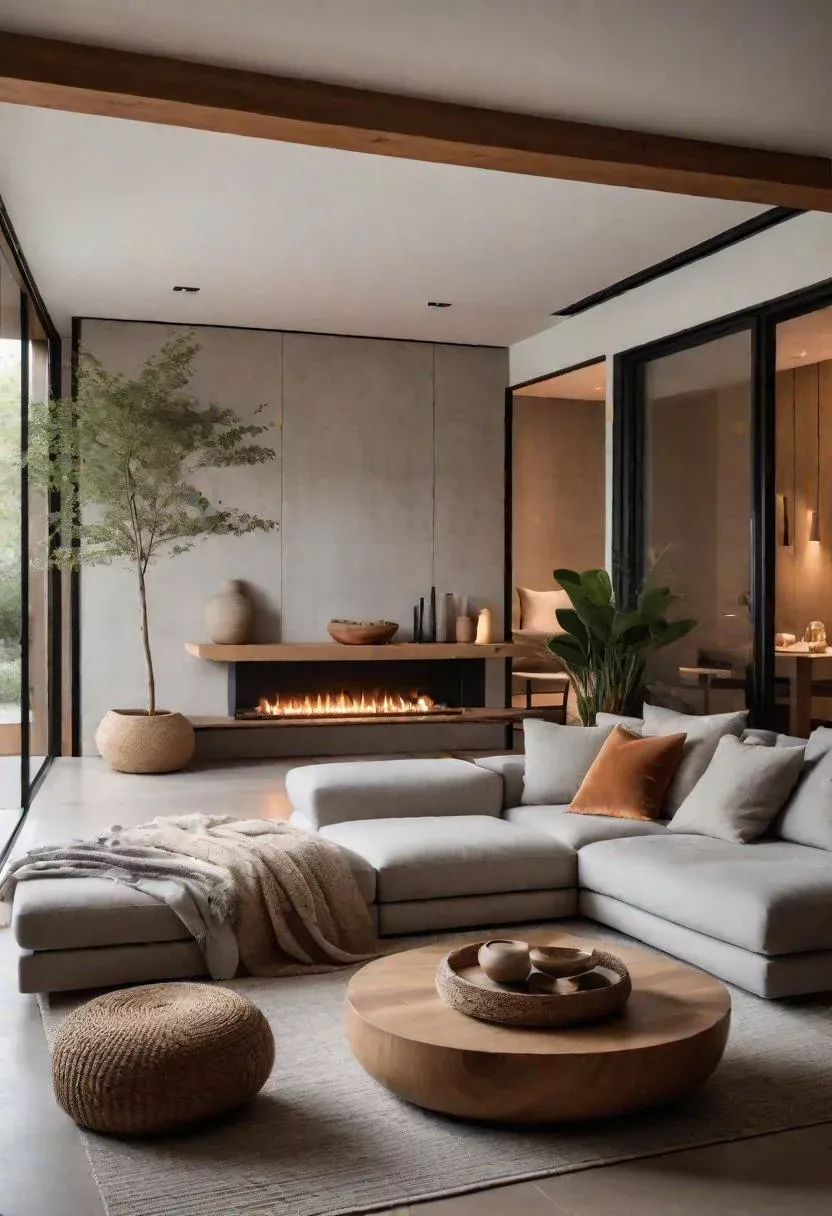


Decorative elements should complement the overall aesthetic, adding interest but not overwhelming the clean lines of the space. Texture and form take precedence over ornamentation, with abstract shapes and organic elements being particularly favored.
Landscapes and Hardscapes
Outdoor spaces are extensions of the interior in contemporary design. They should flow seamlessly, with similar materials and color palettes carried through. Landscapes mimic the textures and shapes of nature, while hardscapes - like patios, walkways, and fountains - reflect the geometric precision of the architectural space.
Outdoor living areas are integral, often featuring sofas, dining sets, and even multimedia systems. They serve as additional room extensions where one can work, relax, or entertain.
Contemporary interior design, at its heart, is about creating authentic, functional spaces that resonate with our modern lives. It's a design philosophy that evolves with time, absorbing the pulse of our era and reflecting it back to us in its aesthetic. As we look to the future, it's exciting to imagine what this ever-evolving style will incorporate next.
Related Articles

Modern Living Room Interior Design Trends in 2025
The living room, the heart of the home, has evolved significantly in recent years, with 2025 set to introduce some inspiring modern interior design trends. As...
Modern Interior Ideas: Top 2023 Design Examples
The realm of interior design has evolved significantly in recent years, with modern trends leaning towards minimalism, sustainability, and smart technology...

Modern Bathroom Design Philippines: Contemporary Ideas & Trends
Embracing modernity and Filipinowise innovation, the bathroom design scene in the Philippines is flourishing. It's moving away from traditional, cookie-cutter...

Modern Interior Design Trends: A Sleek & Stylish Description
The realm of interior design has evolved significantly in recent years, embracing not just aesthetics, but also sustainability, technology, and well-being...

Modern Bar Interiors: Design Trends & Ideas
Step into the contemporary world of modern bar interior design, a realm whereiminent architects, skilled designers, and innovative bartenders converge to craft...

Modern Interior Design: Top Trends & Characteristics
Have you ever walked into a room and felt an immediate sense of inspiration, harmony, or even a spark of creativity? That's the unique power of modern interior...