Metal Roof Patio Installation: Upgrade Your Outdoor Space
Transform your outdoor living space into a durable, stylish haven with a metal roof patio install. This robust, low-maintenance solution not only enhances your patio's appearance but also offers unparalleled protection against the elements. Let's delve into the benefits, types, installation process, and maintenance of metal roofs for patios.
Metal roofs have become an popular choice for homeowners seeking longevity, aesthetics, and eco-friendliness. When it comes to patios, metal roofing offers numerous advantages, including exceptional resistance to fire, mildew, insects, and rot. Moreover, they come in a wide array of styles and colors, allowing them to complement any architectural design.
Types of Metal Roofing for Patios
Metal roofs for patios can be categorized into two primary types: standing seam and exposed fasteners.


Standing seam metal roofs feature vertical panels with raised seams that run along the roof's length, creating a sleek, seamless appearance. They are often used in high-end residential and commercial projects due to their sophisticated look and superior performance.
Standing Seam Metal Roofs
Standing seam metal roofs offer excellent craftsmanship and durability, thanks to their clean lines and concealed fasteners. They are available in various profiles, such as symmetrical, asymmetrical, and custom designs, allowing for great flexibility in installation and design.


Some popular materials for standing seam roofs include steel, aluminum, and copper. Steel roofs provide outstanding strength and durability, while aluminum roofs offer excellent resistance to corrosion and are lightweight. Copper roofs, on the other hand, develop a distinctive patina overtime, adding a touch of curb appeal to your patio.
Exposed Fastener Metal Roofs
Exposed fastener metal roofs, also known as through-fastened or screw-down metal roofs, are a more affordable alternative to standing seam roofs. They feature visible fasteners that securely attach the metal panels to the roof's substrate.
Exposed fastener metal roofs are available in various materials, such as steel, aluminum, and galvanized steel. They come in different profiles, including U monolumar, Coral, and R-panel, offering a range of design options. Despite their lower cost, exposed fastener roofs still provide exceptional performance and durability, making them an excellent choice for budget-conscious homeowners.




Installing a Metal Roof on Your Patio
Before you begin your metal roof patio install, it's crucial to ensure that your patio structure can support the weight of the roofing material. Consult with a structural engineer if you're unsure about your patio's strength.
Here are the basic steps involved in installing a metal roof on your patio:
- Prepare the patio structure by removing any old roofing materials, flashing, and drip edge.
- Install a new,/enhanc ed drip edge along the edge of the patio to help direct water away from the structure.
- Install a layer of underlayment, such as felt or synthetic underlayment, to provide an additional barrier against moisture and wind-driven rain.
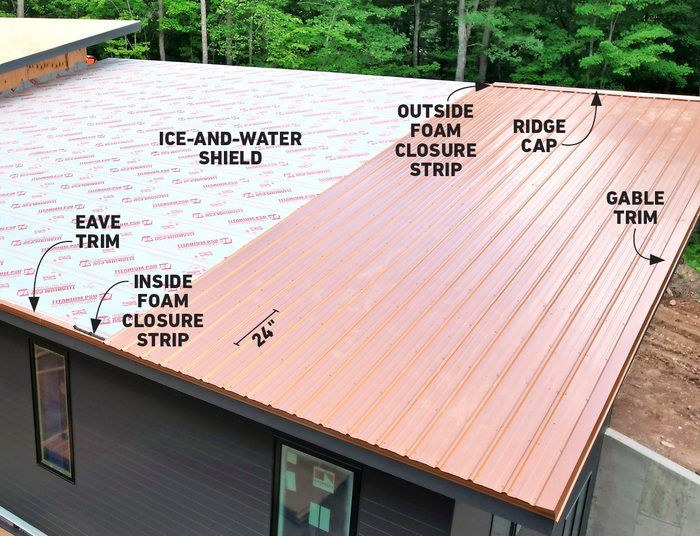
- Begin installing the metal roofing panels, starting at the eave and working your way up to the ridge. Ensure that the panels overlap properly for adequate water shedding.
- Secure the panels using appropriate fasteners, taking care not to over-drive or under-drive them, as this can cause the panels to warp or leak.
- Install any necessary flashings, such as valley flashings, step flashings, and gable-flashings, to seal against water intrusion points.
- Install ridge caps or vented ridge caps to provide proper ventilation and protect the ridge from water infiltration.
Proper Ventilation
Proper ventilation is crucial for maintaining the longevity and performance of your metal roof. Installing vents, such as ridge vents or gable vents, allows hot air to escape from the patio, preventing heat buildup and helping to regulate the patio's temperature.


Inadequate ventilation can lead to moisture buildup, which may cause the roofing material to corrode or rust more quickly. Additionally, proper ventilation helps to extend the lifespan of any electrical components or insulation located within the patio.
Maintaining Your Metal Roof Patio
Metal roofs are relatively low-maintenance, but regular inspections and care can help extend their lifespan and preserve their appearance.
Annually, examine your metal roof patio for any signs of damage, such as punctures, loose screws, or missing panels. Inspect the flashings and ensure that they remain securely attached and show no signs of damage or separation. Additionally, check the patio's gutters and downspouts to ensure that they are functioning correctly and driving water away from the patio's foundation.
Regularly removing debris, such as leaves and twigs, from the roof and gutters can prevent water from backing up and causing damage. It's also a good idea to trim any tree branches that hang over the patio, as they can shed debris onto the roof and increase the risk of damage from falling limbs.
Finally, consider applying a protective coating to your metal roof patio every 5-10 years, depending on the material and the climactic conditions of your area. This coating can help to preserve the roof's appearance, enhance its resistance to corrosion, and extend its lifespan.
Transforming your patio with a metal roof install is an excellent investment in your home's value and comfort. By understanding the different types of metal roofing, the installation process, and the importance of proper maintenance, you can enjoy a durable, stylish patio that hosts countless memorable moments for years to come. Embrace the great outdoors with a metal roof patio install today!
Related Articles

Upgrade Your Outdoor Space: Covered Patio with Stylish Corrugated Metal Roof
Imagine transforming your outdoor living space into a beautiful, functional area protected from sun, rain, or wind. A covered patio with a corrugated metal...

Patio Furniture Sets & Outdoor Bar Stools: Upgrade Your Space
Transform your outdoor space into a welcoming oasis with a well-curated selection of patio furniture sets and outdoor bar stools. These versatile pieces aren't...

Top Outdoor Patio Roof Options for Your Space
Transform your outdoor space into a cozy, weather-resistant sanctuary with the perfect patio roof. Whether you want to dodge the rain, shield from the sun, or...

Mid-Century Modern Patio Roof: Elevate Your Outdoor Space with Style and Comfort
Step into the groovy era of home design with a mid-century modern patio roof, an architectural marvel that seamlessly blends indoors and outdoors. This iconic...

Patio Roof Extensions: Transform Your Outdoor Space
Elevate your outdoor living space with an extension patio roof, a practical and stylish way to harness your patio's full potential. A patio roof extension...

Stackable Outdoor Sling Chairs: Save Space, Upgrade Your Patio
Stackable chairs are a game-changer for those who love to entertain outdoors. They provide easy storage and convenience, making it a favorite among many. One...