Black Chain Link vs Wood Fence: Cost Comparison
The debate between black chain link fence and wooden fencing often sparks curiosity, with many homeowners and businesses wondering: is a black chain link fence more expensive than wood? The answer isn't a simple yes or no, as it largely depends on various factors. Let's delve into this comparison, exploring the costs, durability, maintenance, and aesthetics of both options.
Before diving into the specifics, it's essential to understand that the cost of fencing varies greatly based on the type of wood,anye=srand and size of the fence, as well as the labor involved in installation. Similarly, the price of a chain link fence can fluctuate depending on the gauge of the wire, coating, and add-ons like Privacy Slats or Ravenna inserts.
Upfront Costs and Materials
The initial upfront costs are often where the comparison begins. When looking at basic, unadorned choices, a simple wooden fence usually costs less than a black chain link fence. On average, a wooden fence can range from $10 to $30 per linear foot, with labor costs varying greatly. On the other hand, a chain link fence typically ranges from $15 to $35 per linear foot, including materials and installation.


However, it's crucial to consider that these upfront costs don't tell the whole story. The longevity and long-term expenses of both fencing types significantly impact the overall cost.
The Lifecycle Cost of Wooden Fences
Wooden fences may start cheaper, but their upkeep can be substantial. Wooden materials are susceptible to rotting, warping, and insect damage. As a result, maintenance and repairs can add up over time. Regularly painting or staining wood fences is necessary to protect against weathering and maintain their appearance. Furthermore, wooden fences have a shorter lifespan than chain link fences, often needing complete replacement every 10 to 30 years.


Maintenance expenses could include:
- Painting or staining every 3-5 years: $10-$50 per linear foot
- Repairing damage from pests or weather: $5-$20 per linear foot
- Replacement every 10-30 years: $100-$300 per linear foot
The Lifecycle Cost of Black Chain Link Fences
Black chain link fences, on the other hand, require minimal maintenance, making their lifecycle cost more predictable. The galvanized and black vinyl-coated steel wire in black chain link fences resists rust and weathering, ensuring longevity. While they may dent or straighten under extreme forces, repairs are relatively inexpensive and rare.
Regular maintenance expenses for chain link fences are minimal:


- Occasional cleaning to prevent mildew or dirt buildup: $2-$5 per linear foot
- Repairing damage from extreme forces: $5-$20 per linear foot
Most black chain link fences have an expected lifespan of 20 to 30 years, with high-quality options lasting even longer.
Durability, Aesthetics, and Security
When comparing durability, aesthetics, and security, the differences between wooden and black chain link fences become apparent. Wooden fences provide high privacy levels, while chain link fences offer varying levels of visibility depending on the size of the mesh. When it comes to durability and security, black chain link fences outperform wooden fences.
The higher initial cost of a black chain link fence may deter some from choosing it. However, considering the lower long-term maintenance costs and enhanced durability, a black chain link fence can be a more economically sound choice in the long run. Moreover, the aesthetic appeal of black chain link fences has grown significantly, with an increasing number of homeowners and businesses opting for the sleek, modern look they provide.


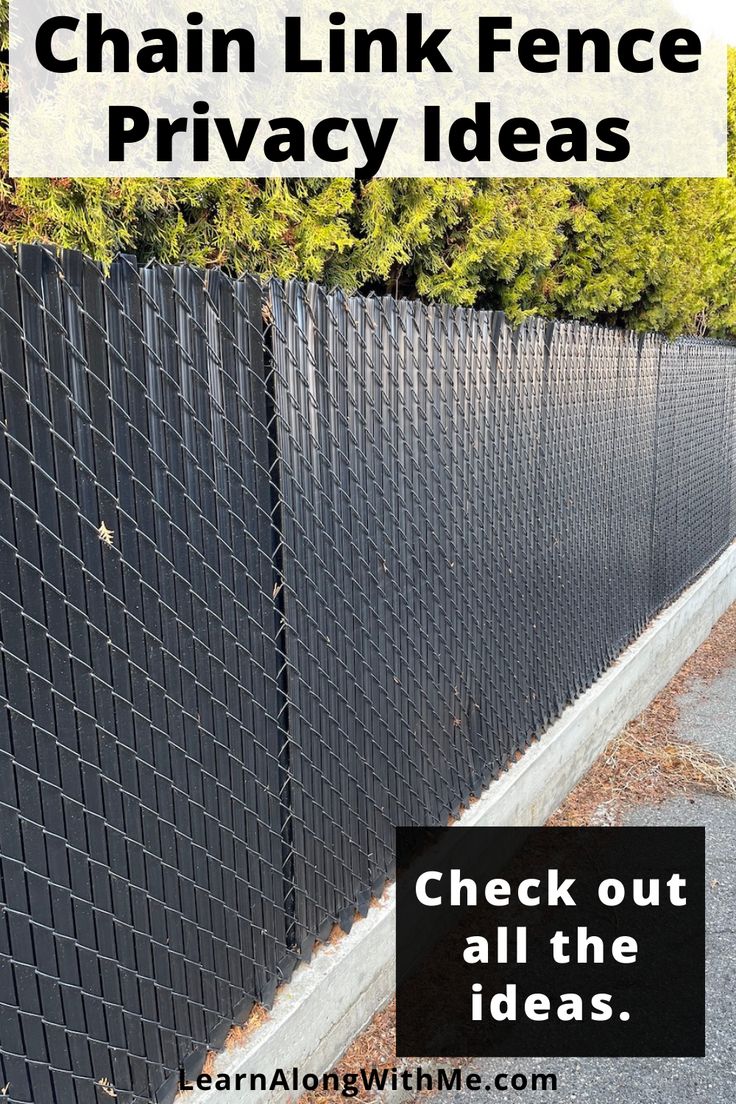
In the end, whether a black chain link fence or a wooden fence is more expensive depends on your specific needs, budget, and timeline. While wooden fences may offer initial savings, the long-term costs and time commitment should also be considered. Ultimately, choosing the right fence involves weighing upfront costs, long-term maintenance, and personal preferences. It's crucial to compare options carefully and choose the fencing that best suits your requirements and provides the best value in the long run.
Related Articles
Black Chain Link vs. Wood: Cost Comparison
If you're comparing black chain link fence vs wood for your property, cost might be a crucial factor. But is cheaper really better? Let's dive into the...
Black vs Silver Fence: Is Black Chain Link More Expensive?
When it comes to choosing a fence for your property, aesthetics and durability are often at the forefront of your decision-making process. Two popular choices...
Black Chain Link vs Galvanized: Which Fence is More Expensive?
When choosing a fence for your property, one of the key decisions you'll make is the material. Two popular choices are black chain link fence and galvanized...

Cost Comparison: Brick Veneer vs Stucco - Is One More Expensive?
When it comes to exterior wall finishes, homeowners often find themselves torn between brick veneer and stucco. Both materials offer unique aesthetics and...

Cost Comparison: Decking vs Paving
When considering outdoor home improvement projects, the cost of materials is often a significant factor. Two popular options for enhancing your outdoor space...

Pavers vs Concrete: Cost Comparison
When considering options for paving surfaces, the cost-effectiveness of pavers versus concrete often comes into play. But which one is more expensive? The...