Transformative Corner Garden Design: Mastering Unique Shapes
Nestled within the confines of urban buildings, corner gardens offer an array of shapes that can transform a bare or forgotten space into a vibrant and inviting oasis. Be it a triangle, square, L-shape, or even a kidney bean form, the corner garden's unique layout presents an opportunity for creative and functional landscaping.
Considering the distinct shapes and dimensions, corner gardens often require customized design solutions. This guide explores various corner garden shapes and their optimal landscaping approaches, ensuring your outdoor space is not only beautiful but also practical and well-adapted to its unique architecture.
Understanding Corner Garden Shapes
The first step in planning a corner garden is understanding the Morales of space. Pinpointing the garden's shape will help guide your design choices, from plants and hardscapes to layout and functionality.


Let's delve into the four most common corner garden shapes – triangles, squares, L-shapes, and kidney beans – and discuss their unique characteristics and landscaping considerations.
Corner Garden Shapes: Triangles
Triangle-shaped gardens are found at building corners formed by two intersections. To maximize limited space, consider high-density planting with a mix of annuals and perennials. This strategy provides both visual appeal and color variations throughout the growing season.
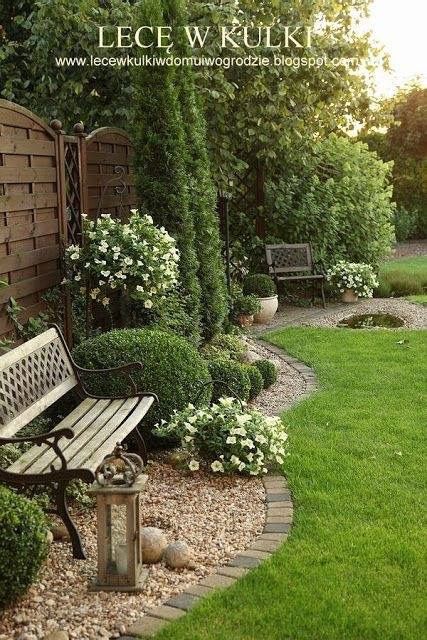


Utilize cellular分AUC division&分UE planting, whereby plants are arranged in an organized, repeating pattern. This approach meets the desire for a full, lush garden without sacrificing the ability to maintain and maneuver around plants. Triangular gardens can also benefit from vertical gardening, employing trellises, arbors, or espaliered plants to optimize space and add texture.
Corner Garden Shapes: Squares and Rectangles
Square or rectangular corner gardens present ample space for various design approaches, including formal or informal layouts, pathways, and seating areas. Formal gardens feature symmetrical planting, straight edges, and geometric patterns such as stripes, circles, or chequerboards.
Conversely, informal gardens embrace a more naturalistic style, with winding paths, meandering plants, and asymmetrical features. Consider breaking up larger spaces with hardscaping elements like retaining walls, paths, or patios to create intimate vignettes within the garden. Rectangle and square gardens can also utilize containers to create flexible, moveable gardens that can change with the seasons or personal preference.


Designing for Functionality and Appeal
Once you've determined your garden's shape and chosen a design approach, consider how you want to use the space. Corner gardens can serve many functions – a private retreat, an outdoor dining area, a daybed, or a play space for children and pets. Carefully positioning furniture, hardscapes, and plants can create separate zones tailored to specific uses, enhancing your outdoor living experience.
Incorporating playful design elements like color, texture, and height will also elevate your corner garden's curb appeal. Utilize a mix of materials and shapes for visual interest, and consider how plants will grow and look year-round to ensure the space remains appealing throughout the seasons.
Planting for Seasonal Interest
Choosing plants with varying foliage color, size, texture, and bloom times ensures your garden remains engaging throughout the year. Evergreens provide structure and form in winter, while spring bulbs, summer annuals, and fall-blooming perennials offer a continuous display of color.


Incorporate native and low-maintenance plants to reduce the need for excessive watering, fertilizing, and pruning. As an added benefit, native plants support local fauna, attracting birds, butterflies, and bees to your corner garden oasis.
Hardscaping Considerations
Hardscaping elements, like patios, pathways, and fencing, define spaces, create texture, and help maintain order in your garden. Material choices – wood, stone, metal, or composite – impact the overall aesthetic, affecting anything from a traditional, classic style to contemporary, modern looks.
To complement your garden's unique shape and size, use hardscapes to guide visitors, sectionalize the area, or highlight specific features, such as an outstanding tree or a stunning container plant display. Additionally, consider low-maintenance materials that blend seamlessly with the surrounding architecture and don't require excessive upkeep.
By capitalizing on your corner garden's unique shape and functionality, you can create a captivating, inviting, and personal space that enhances your home and neighborhood. Through thoughtful planning, innovative design, and strategic planting, corner gardens can blossom from an underutilized slab of concrete into a happening destination, redefining your connection to the outdoors.
Related Articles

Mastering Steep: Creative Garden Design Ideas for Slopes
Nestled in the heart of your backyard, a steep slope garden presents an exciting challenge and a rewarding opportunity to exert your creativity and design...

Mastering Interior Design: Transformative Seating Solutions
In the realm of interior design, seating is often the anchor that ties the entire room together. It's not just a functional necessity, but a critical component...

Mastering Garden Pond Design & Construction: Expert Tips
A garden pond can be a serene and beautiful addition to your outdoor space, providing a calming focal point and a vibrant habitat for local wildlife. But...

Mastering Your Garden Blueprint: Essential Vegetable Garden Layout Planning
Igniting your green thumb begins with meticulous planning, and nowhere is this more crucial than when laying out your vegetable garden. A well-planned garden...

Nature-Inspired Garden Landscaping Design Ideas
Imagine strolling through a lush, verdant garden, with each tree and bloom whispering a tale of nature's wisdom. This is the essence of inspired by nature...

Corner Design Ideas: Maximize Space with Creative Concepts
Transforming the often overlooked corner spaces in your home into functional, stylish, and inviting areas can significantly enhance your living experience and...